

What I Brought Home from Foxboro
A thank-you, three things that stayed with me, and where I want MassCUE to go next.
A note from MassCUE President Andrew Marcinek


Two weeks ago I wrote that MassCUE is where I built a network when I arrived in Massachusetts without one. Two days in Foxboro reminded me why that was true then and why it still is. So before anything else: to the staff, volunteers, presenters, members, and partners who made this year's conference happen, thank you. I left Gillette Stadium grateful for this community and excited about what comes next.
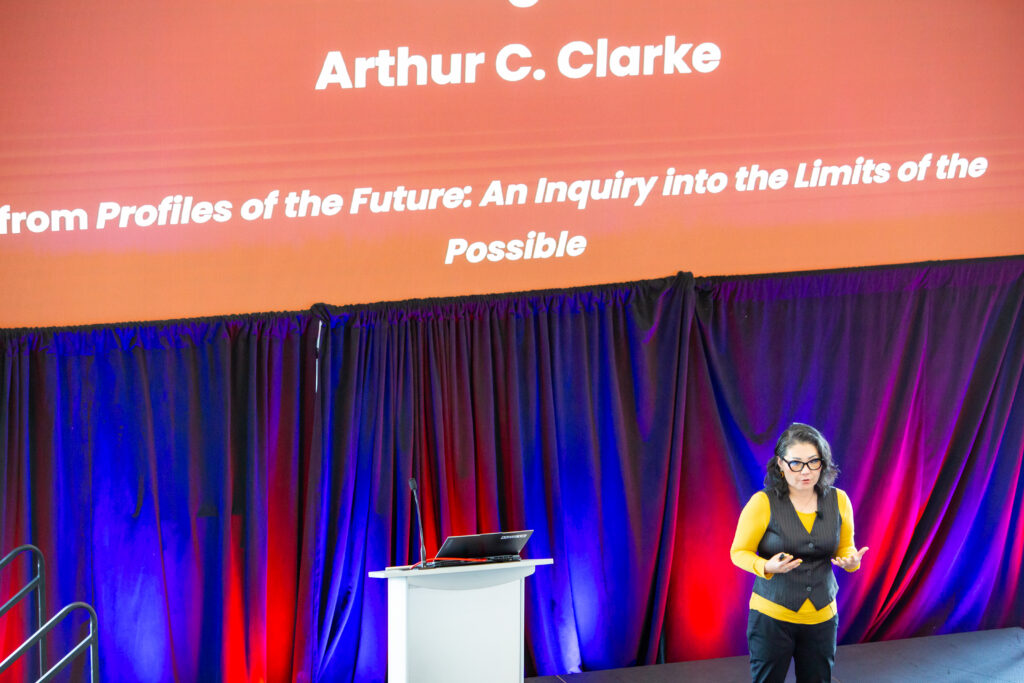
Our two keynote speakers set the tone for both days. Dr. Kip Glazer asked us to lean into AI and to prepare students for the world they will walk into after graduation, not the one we walked into. Matt Miller took us all for a ride in a DeLorean to make a point that is easy to forget: screen time has always existed. What is new is that it is now our job to figure out "What the Screens Are For." His challenge to schools was not just to provide screens but to make the screens earn their place. You'll hear both ideas in everything that follows.
I also left with a new job. As I begin my term as president, three things from our time together have stayed with me.
The first was the energy around intentional, purposeful technology use. With so much techlash aimed at schools right now, it would be easy to assume the thoughtful work has stopped. It hasn't. At MassCUE I saw educators asking the questions that matter: when does this tool actually help a student learn, when does it get in the way, and what makes sense for a second grader that makes no sense for a junior? That is what making the screens earn their place looks like in practice. There is a lot of good work happening in our schools. The people outside the conference rarely hear about it, and that's on us. We need to get better at sharing it.
The second thing I came away convinced of is that responsible AI use is practical, and that school leaders need to lean into this conversation with faculty and parents rather than wait for it to settle. Dr. Glazer had that right. It won't settle. Our students will encounter AI throughout their lives, and we have a responsibility to help them understand it, question what it produces, and recognize how it can shape their thinking. That means thoughtful, age-appropriate opportunities to learn with it. It also means protecting the skills students have to build on their own: reading closely, writing a first draft, sitting with a hard problem before asking for help. I didn't leave MassCUE wanting more AI tools. I left thinking about better teaching and learning while AI is in the room. That's the work I want us to keep moving forward.
And the third: I left confident that technology has a place in our schools for years to come. I'll admit that confidence comes with some worry. I worry about what students stand to lose when schools make sweeping decisions in response to the loudest objections rather than the clearest evidence. We can do better than that. We have to. Parents deserve to be heard, and they deserve clear answers about what their children are using and why. School leaders also have a responsibility to decide based on what students need and what sound teaching looks like, even when the conversation gets uncomfortable. Those two things are not in conflict. You can take parents seriously and still make the call.



What I want parents across Massachusetts to see is the care educators are putting into these decisions, because I saw it in Foxboro. All screen time is not equal, and counting minutes alone tells us very little about the learning taking place. Even the American Academy of Pediatrics retired its blanket two-hour rule a decade ago and asked families to build a plan around what their kids actually do on screens instead. The purpose matters. The student's age matters. So does whether the technology adds anything useful to the lesson. And part of our job is helping students build the judgment to know when they need the tool and when they can put it away.
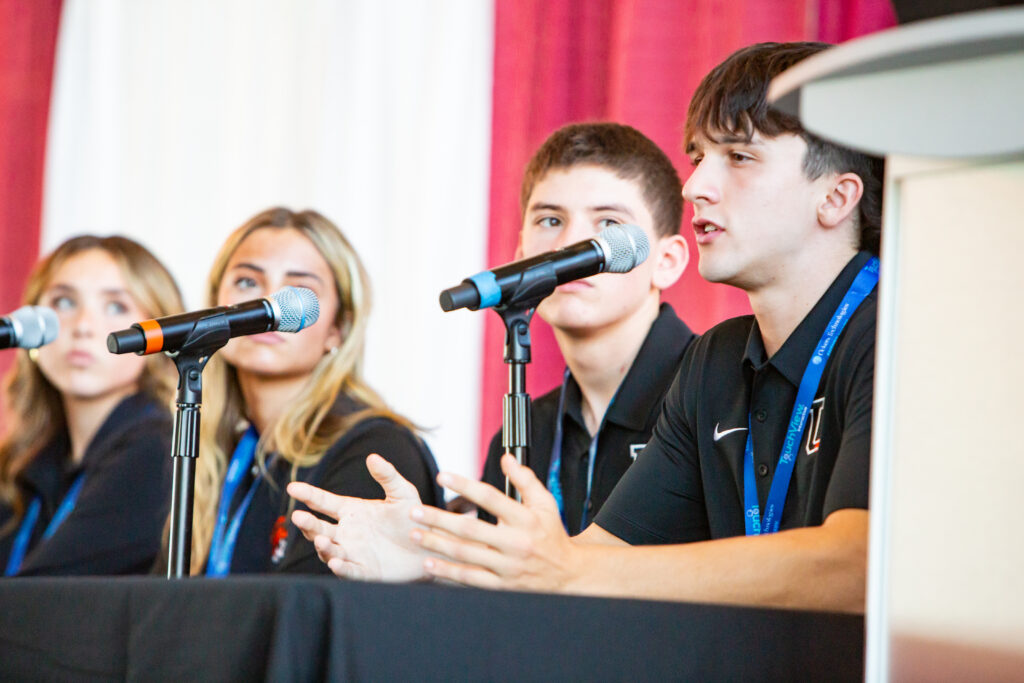
If you want to see what that judgment looks like when it is working, talk to the students. Hearing presentations from the JJ Secret Agents from Mansfield and from students around the Commonwealth was easily a highlight of the conference for me. Another group of students walked me through an opportunity box they designed: a place where students and faculty can drop in a challenge or a problem, and the group works to turn it into an opportunity. It is a small idea with the right instinct behind it. Start with the problem in front of you and turn it into something useful. That is the thinking we say we want from students, and it was on full display in Foxboro.
I'm stepping into this role grateful to the presidents and board members who came before me. Their time, their leadership, and their commitment to a volunteer-led organization are the reason there is something solid to build on. My goal is simple to say and harder to do: carry the energy we felt in Foxboro into the rest of the year. A member should feel the same connection to MassCUE in February or May that they feel in October. If the conference is the only time you think about us, we haven't done our job.
That starts with listening. Over the coming months I want to hear from members across the Commonwealth about what is working in their schools, where they are struggling, and what they actually need from this organization, not what we assume they need. The students with the opportunity box had the right idea: ask people what the problem is, then do something with it. Those conversations should shape our events, our professional learning, and the ways we bring people together between conferences.
The exhibitors belong in that conversation too. They were amazing this year, and not only because of what their tools can do. They presented their work in a way that spoke directly to the challenges and dilemmas schools are actually wrestling with, which is exactly what a good partner does. I'm looking forward to working with our corporate partners to make more of those opportunities possible. Their support helps us reach more educators and sustain the learning and the relationships that start at the conference.
I want MassCUE to be the thread that connects this work across Massachusetts, so educators can lean on one another and students in every school get more chances to learn well. Thank you for the work you do and for the trust you've placed in me. I'm excited to get to work alongside you.
And if you have thoughts on what MassCUE should be doing this year, send me an email amarcinek@masscue.org. I'm listening.


